Louisiana Pecan Festival 2026: History, Southern Recipes & a New Queen
The Louisiana Pecan Festival returns to Colfax, Louisiana, November 6–8, 2026, for its 58th celebration of one of the South’s most beloved native foods. This lively November tradition brings together pecan growers, families, cooks, musicians, artisans, and visitors for a weekend honouring Louisiana’s agricultural and culinary heritage.
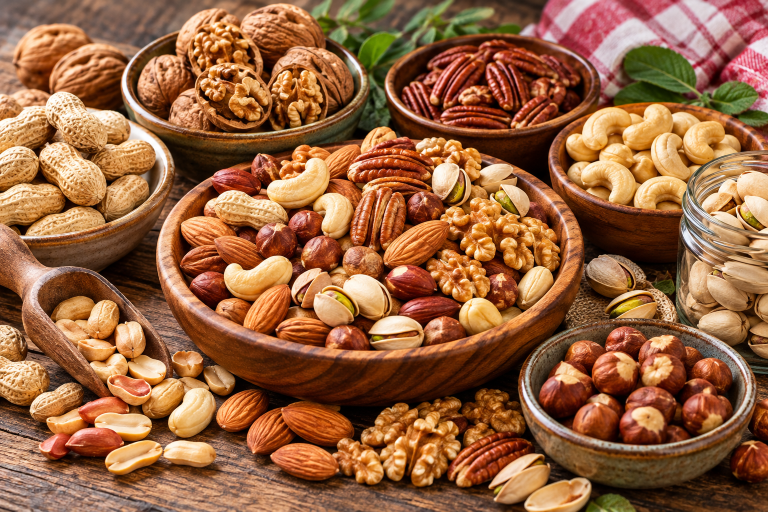
There is something especially wonderful about a festival dedicated to an ingredient that has nourished communities for generations. From freshly harvested pecans and homemade pralines to beautiful pies, buttery cookies, and treasured family recipes, the pecan has earned its place in Southern kitchens.
And this year, we have an additional reason to celebrate: Immani Esclovon of Sulphur, Louisiana, has been crowned the 58th Louisiana Pecan Festival Queen!
Having lived in Louisiana myself, I have a lasting appreciation for the state’s remarkable food culture. Yet somehow, I never knew this particular festival existed! Imagine discovering an entire celebration devoted to pecans years later. Naturally, I had to investigate.
So, join me at Cooking With Kimberly as we explore the history of the Louisiana Pecan Festival, the importance of pecan farming, the remarkable people who helped shape the industry, the festival’s traditions, and some delicious recipes from our own archives.
What Is the Louisiana Pecan Festival?

The Louisiana Pecan Festival is an annual community celebration held in Colfax, the parish seat of Grant Parish in central Louisiana.
Taking place during the first full weekend of November, the festival celebrates the pecan harvest, agricultural heritage, regional foodways, local businesses, and the community that has sustained the event for decades.
While pecans provide the inspiration, the celebration reaches well beyond the kitchen. Visitors can enjoy music, parades, food vendors, arts and crafts, cooking competitions, family activities, and opportunities to learn about the region.
The festival’s official history describes the occasion as an important community gathering for local residents and visitors from across Louisiana and beyond.
And, of course, there’s the food!
Traditional Southern sweets, especially pecan pies and pralines, make an especially delicious connection between the area’s agricultural history and the festival experience.
Learn more from the official Louisiana Pecan Festival website.
When Is the Louisiana Pecan Festival in 2026?
The 58th Louisiana Pecan Festival takes place Friday, November 6, through Sunday, November 8, 2026.
The festival is held in downtown Colfax, Louisiana, and traditionally occupies the first full weekend in November.
Louisiana Pecan Festival Friday, November 6: Agriculture, Cooking & Community
According to the published 2026 festival schedule, Friday’s activities include the Blessing of the Crops, a cooking contest, Children’s Day activities, an antique tractor show, vendors, a parade, and live entertainment.
The Blessing of the Crops is particularly fitting for an event rooted in agriculture. It recognizes the importance of farming, harvests, and the people whose work brings food from the land to our tables.
The cooking contest offers another wonderful connection between regional ingredients and the home cooks who know how to make the most of them.
Louisiana Pecan Festival Saturday, November 7: Parade, Pecan Treats & Entertainment
Saturday’s announced events include the Grand Parade, the Country Store and Pecan House, a pie-eating contest, music, vendors, and additional family entertainment.
Fireworks are also scheduled for Saturday evening.
For visitors who love food history, the festival’s Country Store and pecan-focused offerings are especially interesting. They connect the celebration to traditional homemade foods, preserved goods, and products associated with the region.
Louisiana Pecan Festival Sunday, November 8: A Final Day of Celebration
Sunday’s announced activities include gospel music, vendors, the Country Store and Pecan House, carnival activities, and entertainment before the festival concludes later that afternoon.
Because event schedules, access arrangements, and activities can change, attendees should consult the organizers before travelling.
See the festival’s official schedule page for current information.
Congratulations to Immani Esclovon, the 58th Louisiana Pecan Festival Queen!
We have a special reason to celebrate the 2026 Louisiana Pecan Festival!
Immani Esclovon of Sulphur, Louisiana, was crowned the 58th Louisiana Pecan Festival Queen ahead of this year’s festivities.
The newly crowned festival royalty was publicly announced on October 28, 2026, following the pageant competition.
The announcement also named Abigail Dunigan of Delcambre, Louisiana, as the 2026 Teen Louisiana Pecan Festival Queen.
Festival queens represent more than a title or a beautiful crown. These community traditions help draw attention to local celebrations, agricultural heritage, and the people who keep regional festivals alive.
As this year’s queen, Immani joins the festival’s representatives in celebrating the history and continuing importance of Louisiana pecans.
From all of us at Cooking With Kimberly, congratulations, Immani, on being crowned the 58th Louisiana Pecan Festival Queen!
We wish you a memorable reign, wonderful opportunities, and a beautiful festival celebration.
Read the October 28 announcement in the Grant Parish Journal.
How Did the Louisiana Pecan Festival Begin?
The Louisiana Pecan Festival has roots in the history of Grant Parish itself.
According to the festival’s official historical account, the Louisiana Pecan Festival organization registered with the Louisiana Secretary of State on May 2, 1969.
That year, Grant Parish was celebrating its centennial. The parish had been created in 1869 from portions of Winn and Rapides parishes.
The centennial festivities attracted residents and visitors, creating enthusiasm for an ongoing community celebration.
Organizers subsequently developed the idea into the Louisiana Pecan Festival, choosing an agricultural product deeply associated with the region as its central theme.
In its early years, the festival incorporated a Frontier Days theme and welcomed entertainers and television personalities.
As attendance and vendor participation grew, the festival evolved. Its official history notes that the event expanded from two days to include Sunday toward the end of the 1990s.
Today, the festival continues to connect community identity, agricultural tradition, and local celebration.
Explore the official history of the Louisiana Pecan Festival.
Why Pecans Matter to the Louisiana Pecan Festival
What makes the pecan such an appropriate ingredient to celebrate?
For one thing, pecans are genuinely native to North America.
Unlike numerous other commercially important nuts introduced from overseas, the pecan was already growing across parts of the continent long before European colonization.
Its natural range includes portions of the Mississippi River valley and other areas with suitable soils, water, and growing conditions.
The tree is particularly associated with river bottoms and fertile lowland environments, making portions of Louisiana well suited to pecan production.
In central Louisiana, pecan trees became a source of food, local income, and agricultural identity.
The festival’s history describes how families with productive pecan trees could keep some of their harvest for household use and sell the remainder.
That simple relationship between home consumption and small-scale income helps explain why pecans became significant beyond large commercial orchards.
They were part of everyday rural life.
The Pecan Tree: A Remarkable North American Native

The pecan tree, Carya illinoinensis, belongs to the walnut family, Juglandaceae.
It is a type of hickory, and mature trees can become impressively tall, with broad crowns and substantial root systems.
Given suitable growing conditions, pecan trees may live and produce for many decades. Some become prominent features of the landscapes where families have lived for generations.
The edible pecan develops inside a protective shell surrounded by an outer husk. As the nuts mature, the husks eventually split, allowing the crop to be harvested.
Commercial growers and home orchardists must consider several factors, including soil drainage, tree spacing, pollination, cultivar selection, diseases, and local climate.
And not every pecan tree produces identical nuts.
Seed-grown trees can differ considerably in nut size, shell thickness, flavour, production, and disease resistance.
Grafted trees allow growers to reproduce desirable characteristics from selected cultivars more reliably.
That brings us to one of the most fascinating chapters in Louisiana’s pecan history.
Antoine of Louisiana: A Pecan-Growing Pioneer Worth Remembering
One of the most important developments in American pecan cultivation involved an enslaved Creole gardener named Antoine at Oak Alley Plantation in St. James Parish, Louisiana.
In 1846–1847, Antoine successfully grafted selected pecan material onto seedling trees, helping establish a productive, improved pecan variety.
His successful work eventually became associated with the pecan cultivar known as Centennial.
Grafting matters because pecan trees grown from seed do not reliably reproduce all the desirable characteristics of their parent trees.
By joining desirable plant material to suitable rootstock, horticulturists can propagate selected varieties more consistently.
Antoine’s achievements helped demonstrate the possibilities of improved pecan production and contributed to the development of commercial pecan cultivation.
Yet his story also reminds us that the history of American agriculture cannot be separated from the labour and expertise of enslaved people, whose contributions have often been overlooked.
Recognizing Antoine’s work is an important part of telling Louisiana’s agricultural history accurately and respectfully.
The National Park Service discusses Antoine’s pecan-grafting achievements, while the LSU AgCenter explores the state’s early commercial pecan industry.
Indigenous Food Knowledge & the History of Pecans
Long before pecans became a commercial agricultural crop, Indigenous peoples of North America gathered and used them as food.
Pecans provided concentrated energy and were a valuable seasonal resource in areas where the trees grew naturally.
Indigenous communities possessed extensive knowledge of local food-producing landscapes, harvesting seasons, preparation methods, and the many uses of native plants.
As we celebrate the modern pecan industry, it is important to acknowledge that this agricultural story did not begin with European settlement or commercial orchards.
The pecan has a much older history as part of North America’s food heritage.
Its name also has roots in Indigenous languages, with forms commonly traced to Algonquian-language terms associated with nuts.
Understanding that longer history helps us appreciate pecans as more than a Southern dessert ingredient.
They are part of a deeply rooted food tradition.
Pecan Varieties: Do All Pecans Taste the Same?
If you’ve ever compared pecans from different trees or suppliers, you may have noticed differences in size, texture, appearance, and flavour.
There are numerous pecan cultivars, and growers select varieties for particular climates, production characteristics, nut quality, and disease resistance.
Among the names associated with pecan-growing history and cultivation are:
- Centennial: A historically important Louisiana variety associated with Antoine’s grafting work.
- Stuart: A longstanding pecan cultivar recognized in Southern growing history.
- Success: Another cultivar associated with historical pecan orchards.
- Elliot: A cultivar that Louisiana extension specialists include among options considered for disease resistance.
- Kanza: A cultivar valued in some growing regions for its characteristics and adaptability.
Growers must choose cultivars suitable for their local conditions rather than selecting a tree based on nut appearance alone.
For home orchardists, Louisiana’s humid climate creates challenges, including pecan scab, a fungal disease that can affect foliage and nut quality.
LSU AgCenter specialists recommend evaluating disease resistance and site suitability when choosing pecan trees.
For more detailed growing advice, consult the LSU AgCenter’s guide to growing pecans in Louisiana.
How Pecans Are Harvested & Prepared
Pecan harvesting is an important autumn activity in many Southern growing areas.
As nuts mature, their outer husks split and the nuts become ready for collection.
In commercial orchards, specialized equipment may shake trees and gather fallen nuts. Smaller growers and home orchardists may rely on hand collection or simpler equipment.
After harvesting, pecans require proper handling and drying to protect their quality.
Processing may include cleaning, sorting, drying, shelling, and packaging.
Because pecans contain substantial amounts of natural oils, careful storage is particularly important.
How to Store Pecans at Home
Fresh pecans have a wonderful rich flavour, but their oils can gradually become rancid when exposed to warmth, air, and light.
For the best quality:
- Choose pecans that smell fresh and have no signs of mould or insect damage.
- Keep shelled pecans in airtight containers.
- Use refrigeration for longer storage rather than leaving shelled nuts in a warm pantry.
- Freeze pecans when you want to preserve their quality over an extended period.
- Allow frozen pecans to warm in a closed container when appropriate, reducing moisture condensation on the nuts.
- Discard pecans that develop an unpleasant rancid odour, visible mould, or other signs of spoilage.
Careful storage is especially worthwhile when you’ve bought pecans in bulk or collected a substantial harvest.
After all, good ingredients deserve good treatment!
Why Pecans Are So Wonderful in the Kitchen
Now, let’s talk about the delicious part.
Pecans have a distinctive buttery richness, a satisfying texture, and a flavour that works beautifully in both sweet and savoury dishes.
Their natural oils contribute to their appealing mouthfeel, while their flavour becomes more pronounced when gently toasted.
In baking, pecans can provide structure and texture while complementing ingredients such as brown sugar, maple syrup, chocolate, cinnamon, vanilla, and caramel.
They are equally welcome in savoury preparations, including salads, stuffing, grain dishes, roasted vegetables, and crusts for selected proteins.
But Southern sweets are where many people first fall in love with pecans.
How to Toast Pecans for Better Flavour
Toasting pecans can intensify their aroma and add a lovely crispness.
For a simple oven method, spread shelled pecans in a single layer on a baking sheet and toast at approximately 325°F (163°C), checking frequently.
Depending on their size and whether they are whole or chopped, the pecans may need roughly 5–12 minutes.
Stir or shake the pan during cooking, and remove the nuts when they smell fragrant and have developed a slightly deeper colour.
Keep a close eye on them. Their high oil content means they can progress from beautifully toasted to burnt surprisingly quickly.
Let them cool before chopping or incorporating them into many baked goods.
Southern Pecan Pralines: A Louisiana Favourite

Few confections evoke Louisiana’s sweet culinary traditions quite like pecan pralines.
Pralines have a history connected to European confectionery, but Louisiana’s versions developed distinctive characteristics through regional ingredients, culinary practices, and the contributions of successive generations of cooks.
Many Louisiana-style pralines feature pecans combined with sugar, dairy ingredients, and flavourings, cooked until the mixture develops the desired consistency.
The resulting confections can be creamy, delicately crystalline, and wonderfully rich.
Recipes vary among families and makers, and there is no single universal method.
Some versions emphasize a smooth texture, while others have a more pronounced crystalline character.
What matters is the beautiful interaction between the pecans and the cooked sugar mixture.
Make Pralines with Cooking With Kimberly
We already have a praline feature in our Cooking With Kimberly archives!
Visit How to Make Pralines: National Pralines Day for our earlier exploration of this Southern confection.
This recipe provides a delicious connection between the Louisiana Pecan Festival and one of the region’s celebrated sweets.
And while we’re discussing pralines, it’s worth remembering that candy-making involves extremely hot sugar. Appropriate equipment, careful temperature control, and attention to kitchen safety are essential.
Let’s Bake! Pecan Recipes from Cooking With Kimberly
One of the things that surprised me while preparing this feature was discovering just how extensive our own pecan collection has become.
Our Cooking With Kimberly Pecans recipe archive already contains 25 pecan-related articles!
Some explore classic Southern favourites, while others show how wonderfully versatile pecans can be in everyday home baking and special-occasion dishes.
Here are a few delicious selections.
Classic Pecan Pie

Few desserts are more closely associated with Southern American baking than pecan pie.
With a rich filling and a beautiful pecan topping, it is especially popular during autumn gatherings and holiday celebrations.
My archive includes How to Bake Pecan Pie: Georgia Pecan Month.
Although that article celebrates Georgia’s pecan-growing heritage, pecan pie is enjoyed throughout the South and makes a natural companion to our Louisiana festival exploration.
Pecan Sandies
Buttery, tender cookies and pecans are a wonderful combination.
Pecan sandies are a particularly satisfying example, with their delicate crumb and distinctive nutty flavour.
For a homemade version, explore National Pecan Sandies Day: Here’s the Recipe.
Rose’s Pecan Cookies
Some recipes carry a little more meaning because they come from people we love.
Our Rose’s Pecan Cookies are a beautiful example.
This recipe comes from my sister Rose, whose creativity and talent in the kitchen made a lasting impression on me.
Recipes like these remind us that the most meaningful parts of our culinary heritage often live in handwritten notes, family collections, and memories of shared meals.
It’s one reason preserving home recipes matters so much.
Homemade Chocolate Turtles
Chocolate, caramel, and pecans are practically irresistible together.
Our Homemade Chocolate Turtles bring these familiar flavours into one delightful confection.
They’re particularly lovely for holiday assortments, homemade gifts, and special dessert platters.
Vegan Banana Pecan Muffins
Sometimes a kitchen accident turns into an unexpectedly wonderful discovery!
Our Vegan Banana Pecan Muffins originated when I accidentally left the eggs out of a batch of muffins.
The results were so delicious that the unexpected version became a recipe worth keeping.
That’s one of the joys of cooking: some of our most memorable creations begin when things don’t go according to plan.
Millionaire Pie: A Family Favourite
Our Millionaire Pie is another recipe with a personal Southern connection.
It is associated with my Aunt Darlene and family gatherings in Texas.
Although this is not presented as a traditional Louisiana Pecan Festival dish, it belongs to the wider world of rich Southern desserts and cherished family recipes.
Explore All Our Pecan Recipes
And that’s only a small sampling!
You’ll find many more pecan-related dishes in our growing Pecans category at Cooking With Kimberly.
From cookies and cakes to pies, breads, confections, and seasonal treats, there are countless ways to enjoy this remarkable ingredient.
Louisiana Pecan Festival Foodways: More Than Pecans
Although the Louisiana Pecan Festival celebrates one particular crop, the state’s culinary heritage encompasses an extraordinary variety of regional food traditions.
Cajun, Louisiana Creole, and other local foodways reflect distinct histories, cultural identities, ingredients, and methods.
These culinary traditions have been shaped by Indigenous communities, Africans and African Americans, Acadians, French and Spanish settlers, Caribbean influences, and many other people whose experiences contributed to the region’s food culture.
It is important not to treat Cajun and Creole as interchangeable terms or assume that every Louisiana recipe belongs to one of those traditions.
Instead, we can explore the specific origins and characteristics of dishes while appreciating the creativity of the cooks who continue to prepare them.
At Cooking With Kimberly, we’ve explored many Louisiana-inspired preparations over the years, including seafood gumbo and blackening seasonings.
Louisiana Recipes + Reviews with Cooking With Kimberly
Explore more of our Louisiana-inspired cooking through our Louisiana, Cajun & Creole Recipes + Reviews playlist.
Watch Louisiana, Cajun & Creole Recipes + Reviews on YouTube.
You may also enjoy these Cooking With Kimberly recipes and articles:
- How to Make Kimberly’s Louisiana Seafood Gumbo
- How to Cook Shrimp & Squid Cajun Seafood Gumbo + Video
- How to Make Louisiana Blackening Spice Rub + Video
- Blackened Bourbon Braised Pork Tenderloin & Vegetables + Video
- Web Chef Review: Royal Command Gumbo Filé
These features offer additional opportunities to explore Louisiana’s cooking traditions and the ingredients that contribute to its distinctive regional flavours.
The People Behind Louisiana’s Pecans
Food festivals are often remembered for their entertainment and delicious treats, but agriculture depends on far more than the final product.
Behind every bag of pecans are growers, orchard workers, researchers, harvesters, processors, transporters, retailers, and countless others.
Weather, pests, soil conditions, market fluctuations, labour availability, and production costs all influence the agricultural businesses that supply our kitchens.
When we purchase pecans, especially from local growers and independent producers, we have an opportunity to learn more about where our ingredients originate.
Festivals such as the Louisiana Pecan Festival help connect consumers to that agricultural story.
They remind us that a familiar ingredient represents land, knowledge, labour, and generations of experience.
Thoughtful Sourcing, Sustainability & Responsible Cooking
As with any agricultural product, responsible pecan sourcing involves considering both quality and the people behind production.
When practical, we can look for information about growers, processing methods, product origin, working conditions, and environmental practices.
Local products may provide opportunities to support regional businesses and learn more about the supply chain, although geography alone does not guarantee particular sustainability or labour standards.
Home cooks can also reduce waste by purchasing appropriate quantities, storing pecans carefully, and using leftover nuts in a variety of preparations.
And remember that pecans are tree nuts and can cause serious allergic reactions in susceptible individuals.
Always ask about food allergies when serving guests, read packaged ingredient labels, and take appropriate precautions to prevent allergen cross-contact.
Visiting the Louisiana Pecan Festival: A Few Practical Notes
If you’re planning to attend the 2026 Louisiana Pecan Festival, consult official festival announcements for updated schedules, parking arrangements, accessibility information, vendor details, and any applicable rules.
Festival organizers have announced a variety of activities for November 6–8, including parades, entertainment, vendors, children’s activities, cooking competitions, and agricultural displays.
Large public gatherings can involve traffic, crowds, noise, and changing weather conditions, so plan accordingly.
Anyone with food allergies should ask vendors about ingredients and preparation practices before purchasing prepared foods.
Likewise, families attending with children should plan for appropriate supervision, especially around cooking demonstrations, rides, roadways, and crowded areas.
For current details, visit the Louisiana Pecan Festival Association.
More Louisiana Pecan Festival Inspiration from Cooking With Kimberly
Our pecan coverage continues to grow, and we’re always interested in discovering new recipes, varieties, ingredients, and culinary traditions.
You’ll find our main recipe collection in the Cooking With Kimberly Pecans archive.
Explore Our Growing Pecan Recipes + Reviews Video Collection
Our video collection will continue developing as we explore pecan recipes, ingredient comparisons, cooking techniques, and product reviews. Individual videos may include sponsorships or other commercial relationships, which should be considered alongside their disclosures.
Celebrating the Louisiana Pecan Festival, Its Heritage & Its New Queen
There is something beautifully meaningful about a community gathering to celebrate a crop that has been part of its landscape and kitchens for generations.
The Louisiana Pecan Festival reminds us that food is never merely about ingredients.
It’s about the land where those ingredients grow, the people who cultivate them, the cooks who transform them, and the families who preserve their favourite preparations.
It is also about remembering the contributions of Indigenous communities, agricultural pioneers such as Antoine, and the many growers and workers who helped shape the pecan industry.
And then there are the familiar pleasures: the scent of toasted pecans, the richness of a homemade praline, the glossy top of a freshly baked pecan pie, and the joy of sharing something delicious.
This year, as Colfax welcomes visitors for the 58th Louisiana Pecan Festival, we’re delighted to celebrate both its longstanding heritage and a new chapter in its community traditions.
Congratulations again to Immani Esclovon, the 58th Louisiana Pecan Festival Queen!
May the 2026 celebration be full of good food, wonderful memories, and appreciation for the people and traditions that make Louisiana so special.
And if this festival inspires you to head into the kitchen, we’ve got plenty of pecan recipes waiting for you!
Explore more celebrations and seasonal food traditions in our Welcome November: The Vibe & Pulse of the Season feature, and discover additional regional culinary history through our Louisiana Gulf Coast, Cajun Foodways, and Creole Foodways collections.
Until next time…
Be a Champion in Your Kitchen, and Eat Deliciously!
Further Reading & Sources
- Louisiana Pecan Festival Association – Official Website
- Louisiana Pecan Festival – Festival History
- Louisiana Pecan Festival – Official Events Schedule
- Grant Parish Journal – 58th Louisiana Pecan Festival Schedule
- Grant Parish Journal – 2026 Louisiana Pecan Festival Queens Announcement
- National Park Service – Pecan Tree History and Antoine’s Contributions
- LSU AgCenter – Pecan Station and Louisiana Pecan Industry History
- LSU AgCenter – From Tree to Table: Growing Pecans in Louisiana
- Smithsonian Gardens – The Pecan Whisperer